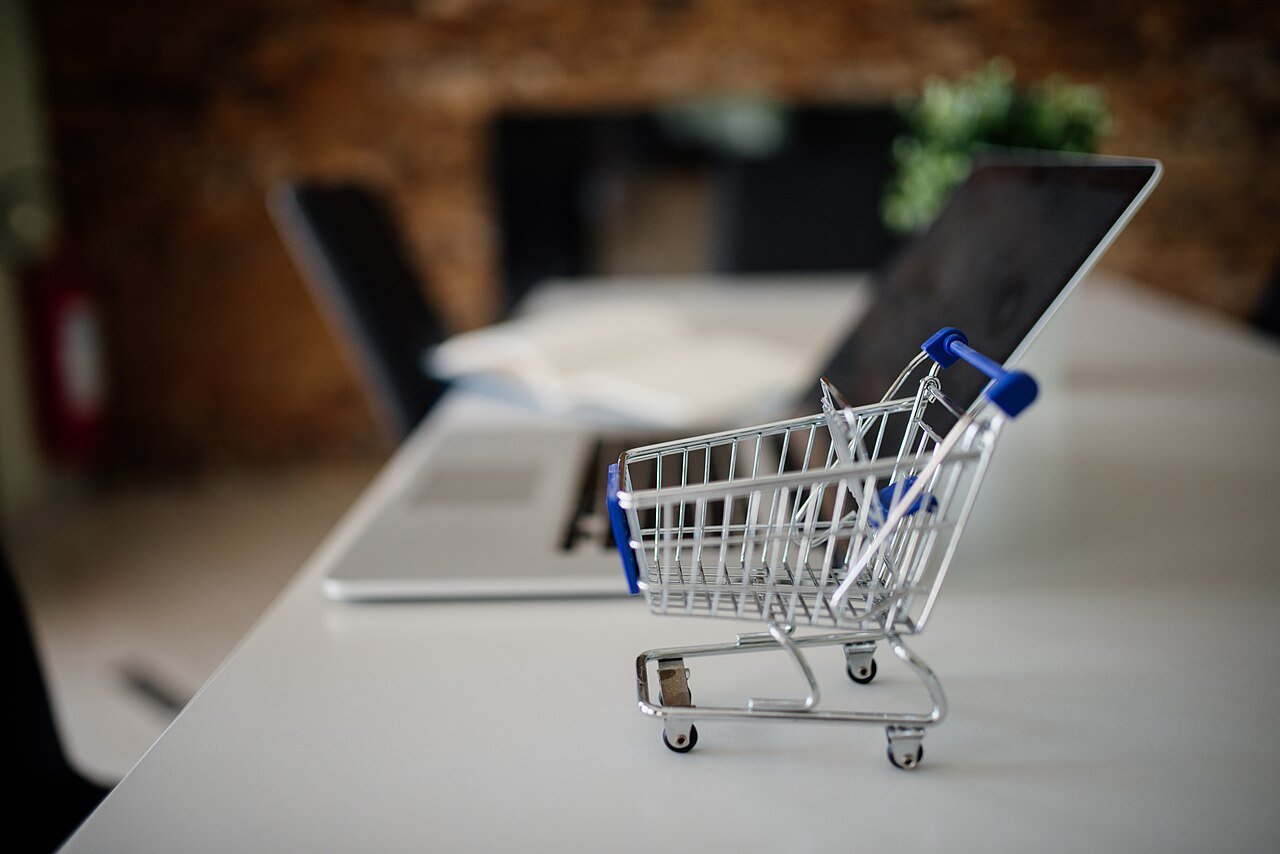
A new kind of shopper is arriving online, and it is not human. AI agents can now browse stores, fill baskets, book appointments and, in some cases, pay. Used well, they could save us hours of tedious clicking. Used carelessly, they could spend our money in ways we never intended. Before these tools become routine, the industry needs clear rules of the road.
The tension is already visible. In September, Amazon blocked Meta's new AI agent, Muse, from shopping on its site. Amazon said Muse did not identify itself as an agent when making purchases and could view users' account pages and purchase history. Amazon said "third-party applications that offer to make purchases on behalf of customers from other businesses should operate openly," in a statement to GeekWire. Meta says it is expanding Muse's privacy guardrails. Muse was hugely popular regardless, reaching 730,000 downloads in five days.
A better model exists
Other companies are taking a more open approach. On 28 October, Zocdoc opened its doctor booking system to AI agents, but with conditions: agents must register and identify themselves, get explicit patient consent before booking and protect patient and provider data. That is a sensible template.
The risks are not hypothetical. In a test by security firm Guardio in August 2025, an earlier version of an AI browser was sent to a fake storefront and, in some runs, entered saved payment details and completed a purchase without asking for confirmation. With scam shops now being reported every few minutes, an agent that cannot spot a fake store is a liability.
To be fair to the platforms, blocking agents is not only about protecting customers. Big retailers also have a commercial interest in keeping shoppers on their own sites and their own assistants. Openness should not mean letting any software roam freely through people's accounts, but it should not be a cover for shutting out competition either.
Our view is that three principles should apply everywhere. First, agents should always identify themselves. Second, a human should approve any payment above a level the user chooses. Third, when something goes wrong, it must be clear who is responsible, whether that is the agent's maker, the store or the payment provider.
Banks and card networks have spent decades building protections for human shoppers. Agentic shopping deserves the same care, and it should arrive before the mistakes do, not after.
Photo: Shixart1985, CC BY 2.0, via Wikimedia Commons