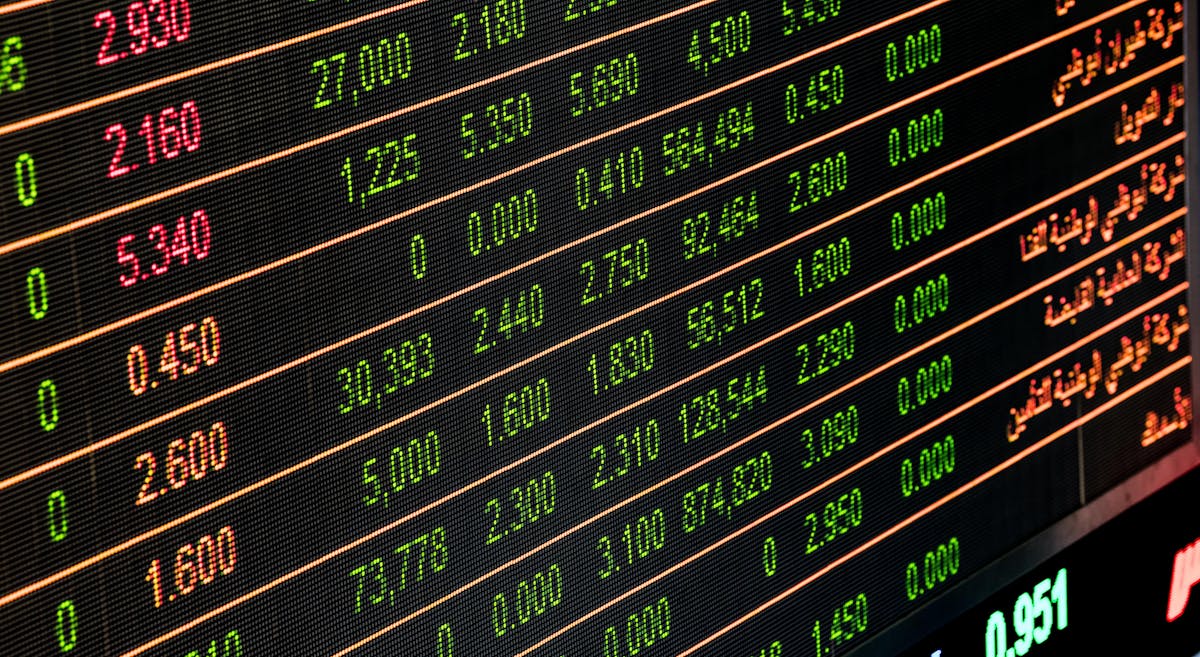
South Korean and Japanese semiconductor stocks climbed sharply this week as an AI chip rally lifted the region's biggest chipmakers and dragged broader Asian markets higher with them. SK Hynix, one of the two dominant global suppliers of the high-bandwidth memory chips AI accelerators depend on, led the move in Seoul, while Tokyo-listed chip equipment and materials suppliers rode the same wave of investor confidence that AI-driven demand for advanced memory and logic chips is not slowing down.
The rally is backed by capital commitments large enough to suggest investors are reading the trend correctly. SK Hynix has approved 54 trillion won in semiconductor investment, including 35.2 trillion won earmarked for a new DRAM facility due to open in 2029, and has locked in long-term supply agreements with roughly ten customers — the kind of multi-year commitment that only makes sense if a company expects demand to keep climbing well past this earnings cycle. South Korea's government, for its part, projects that data centres and semiconductor production together could add 25 to 30 gigawatts of new electricity demand nationally as the buildout continues.
The market move landed just as Seoul and Tokyo formalised government-to-government cooperation on chip supply chains, treating the current rally less as a speculative spike and more as the market catching up to a policy shift both countries had already committed to. For two economies that compete directly in memory and logic chip manufacturing, a joint economic-security dialogue on the sector signals that both governments now see supply-chain resilience — not just market share — as the priority worth coordinating on, even between rivals.