Nearly three-quarters of US healthcare organizations say cyberattacks disrupted patient care in the past year, according to the fifth annual Cyber Insecurity in Healthcare report from Proofpoint and the Ponemon Institute, released October 13.
The survey of 705 healthcare IT and security practitioners found that 97% of organizations experienced at least one cyberattack in the previous 12 months. Organizations faced an average of 51 attacks, up from 43 a year earlier, and the average cost of the single most expensive attack rose nearly 8% to $4.2 million.
Where the damage lands
Supply-chain attacks had the greatest effect on care: 90% of organizations hit by one reported disruption. Among organizations that experienced ransomware, 72% said patient care was disrupted, and 31% paid a ransom, down from 33% the year before. Cloud and account compromises disrupted care for 65% of those affected.
The report also flags a newer risk. Nearly a quarter of respondents, 24%, cited AI agents operating without guardrails as a leading cause of data loss, and 60% said they lack controls for sensitive data used in AI systems.
“Cyber resilience has become essential to healthcare resilience,” said Ryan Kalember, Proofpoint’s chief strategy officer.
The takeaway
For hospitals and clinics, the findings point beyond prevention to continuity: rehearsed downtime procedures, vetted vendors and the ability to keep treating patients when systems go dark.
Sources: Proofpoint, HIPAA Journal.
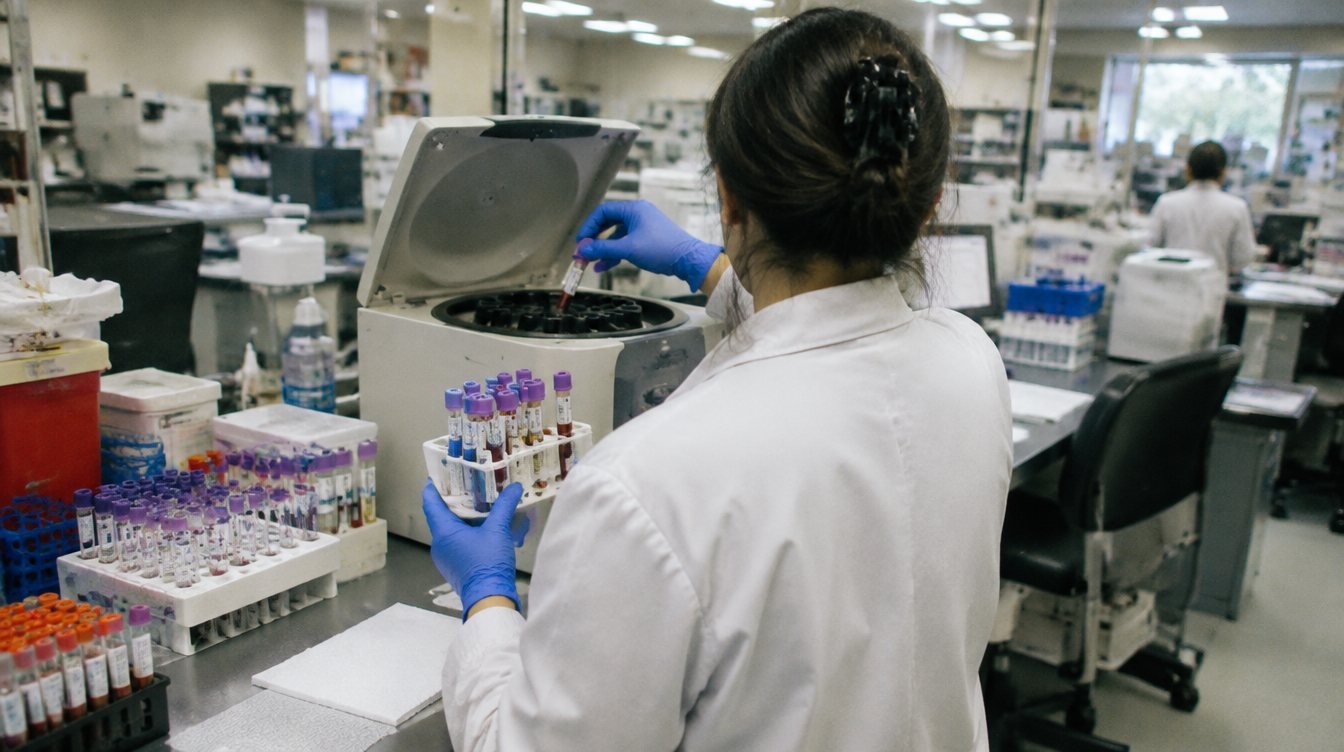
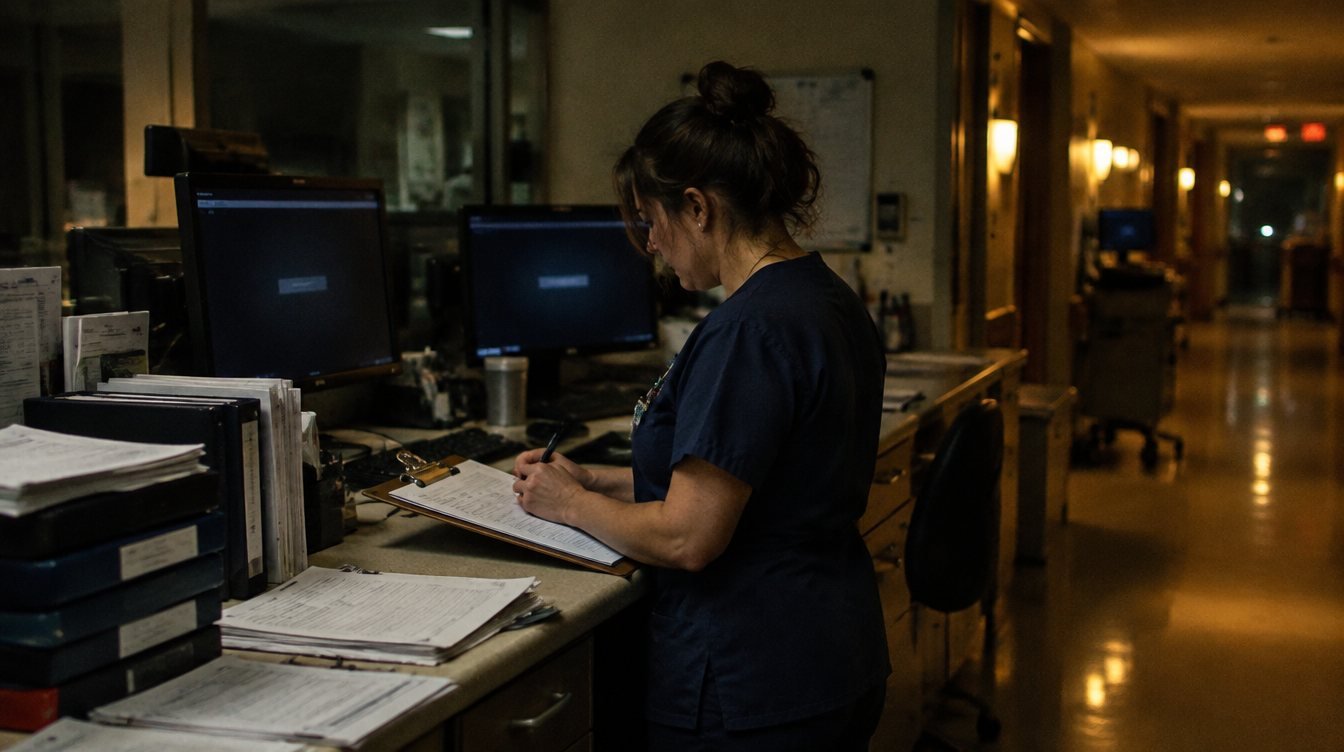
Image: illustration created for AABEAT TV. It does not depict the people, places or products named in this story.