Microsoft has published peer-reviewed results for MAI-DxO, its AI diagnostic system, in the journal Science, reporting that it reached the correct diagnosis far more often than generalist physicians on both complex medical cases and everyday emergency department visits.
MAI-DxO, short for Microsoft AI Diagnostic Orchestrator, coordinates several AI agents that play different roles on a case. One suggests possible diagnoses, another weighs which tests are worth their cost, and others question the reasoning, revising the answer as each new test result arrives, much as a team of clinicians would discuss a difficult patient.
What the study found
- Complex cases: On 304 case records from the New England Journal of Medicine, MAI-DxO reached the correct diagnosis about 83% of the time. Primary care doctors and general internists working with reference materials got 36% right, and 22% without them.
- Emergency department cases: On 325 cases drawn from emergency admissions at Beth Israel Deaconess Medical Center in Boston, the system scored about 80%, compared with about 47% for physicians.
- Newer AI models: Running on GPT-5.5, the orchestration lifted accuracy on the complex cases from about 72% to nearly 87%, at slightly lower cost.
The important caveats
These results come from controlled tests using existing medical records, not from treating real patients, so they do not yet show better outcomes for anyone. Specialists and teams of physicians were not part of the comparison. Much of the improvement also comes from stronger underlying AI models: on the emergency cases, MAI-DxO added little over the best models on their own.
What comes next
Microsoft plans to test MAI-DxO in emergency and urgent care at Beth Israel Deaconess, comparing its recommendations with those of the clinicians treating patients who agree to take part, while those patients continue to receive standard care. Dominic King, Microsoft AI’s vice president of health, expects it to be the largest study of its kind.
Our take: a better first diagnosis matters, but it is only the start of a patient’s care. The harder tests for tools like this will be whether they help choose the right treatment, support follow-up over months and years, and earn the trust of doctors and patients who have to make those decisions together. None of that has been shown yet in everyday hospital practice.
Source study: Microsoft AI researchers, Science (2026), DOI 10.1126/science.aeh7930. Additional reporting: The AI Insider, Technology.org and PBX Science. First flagged by The Rundown AI. This article is written by AABEAT TV in its own words; figures are attributed to the sources above.
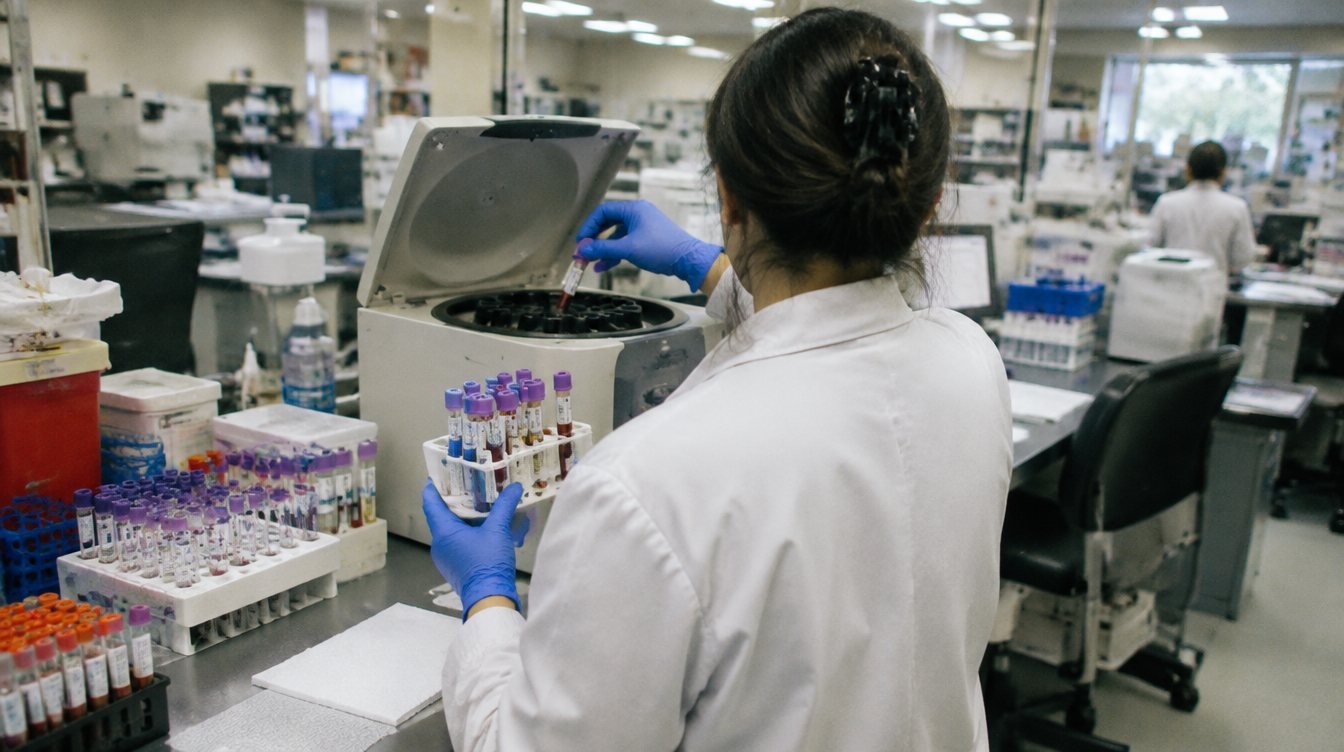
Image: illustration created for AABEAT TV. It does not depict the people, places or products named in this story.