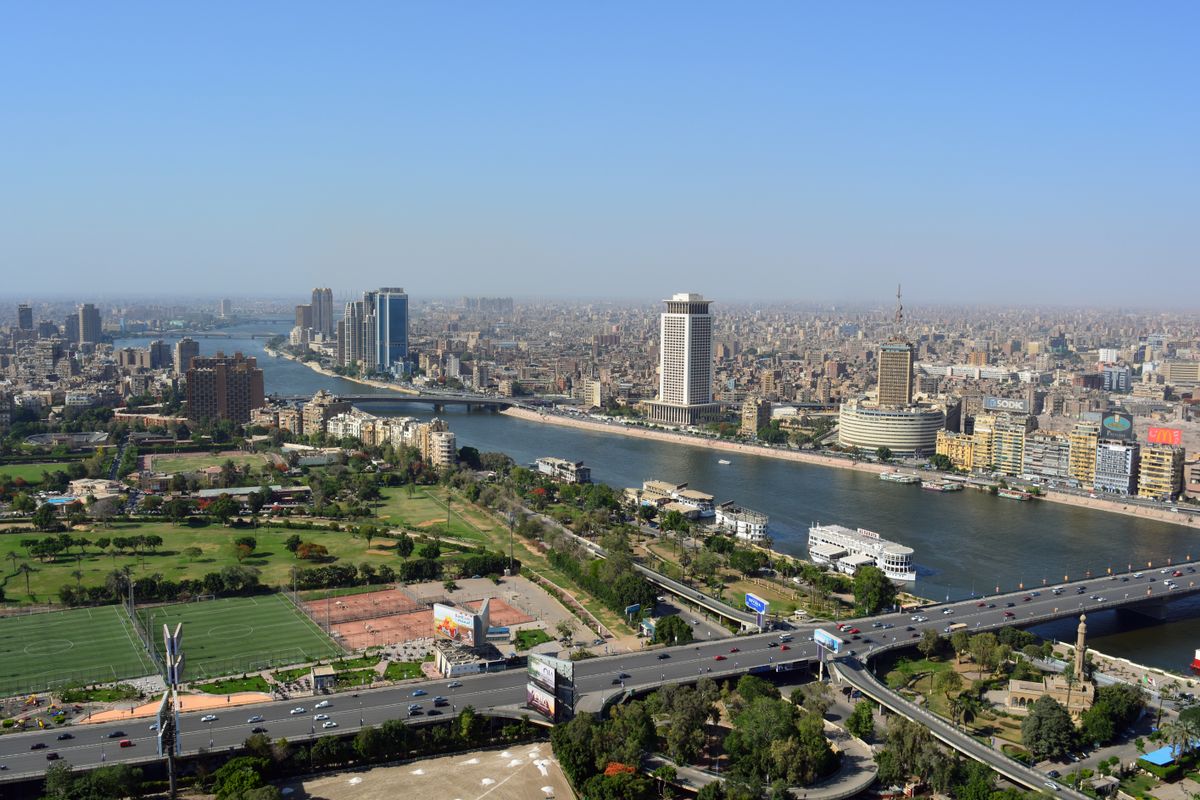
Deloitte's Innovation Hub in Cairo has been expanding its AI, engineering and cybersecurity capabilities through 2026, building out teams across AI and machine-learning engineering, cyber governance, risk and compliance, cloud security, and business resilience management. The hub's hiring pattern, dozens of specialised roles posted across those categories, points to a deliberate bet that Cairo can serve as a regional delivery centre for AI and security work rather than a satellite office handling overflow from European or Gulf operations.
The expansion lines up with a broader shift in where African startup capital has been flowing this year. Egypt led the continent's three largest tech ecosystems in first-half 2026 funding, pulling in roughly $327 million, ahead of Nigeria's $254 million and Kenya's $126 million, a reversal from years when Kenya's clean-energy-heavy funding totals topped the regional table. Egypt's rise has been less dependent on any single mega-deal and more spread across fintech, enterprise software and AI-adjacent services, the kind of diversified base multinational firms like Deloitte tend to read as a signal of market maturity rather than a one-off funding spike.
For Egypt, the combination of rising startup funding and multinational firms building out specialised technical hubs in Cairo suggests the country is positioning itself less as a low-cost outsourcing destination and more as a genuine AI and cybersecurity delivery centre, competing for the kind of technical work that has traditionally gone to India, Eastern Europe or the Philippines. Whether that positioning holds depends on whether Egypt can keep the specialised talent these hubs are training from being recruited away by Gulf employers offering considerably higher compensation for the same skill set.