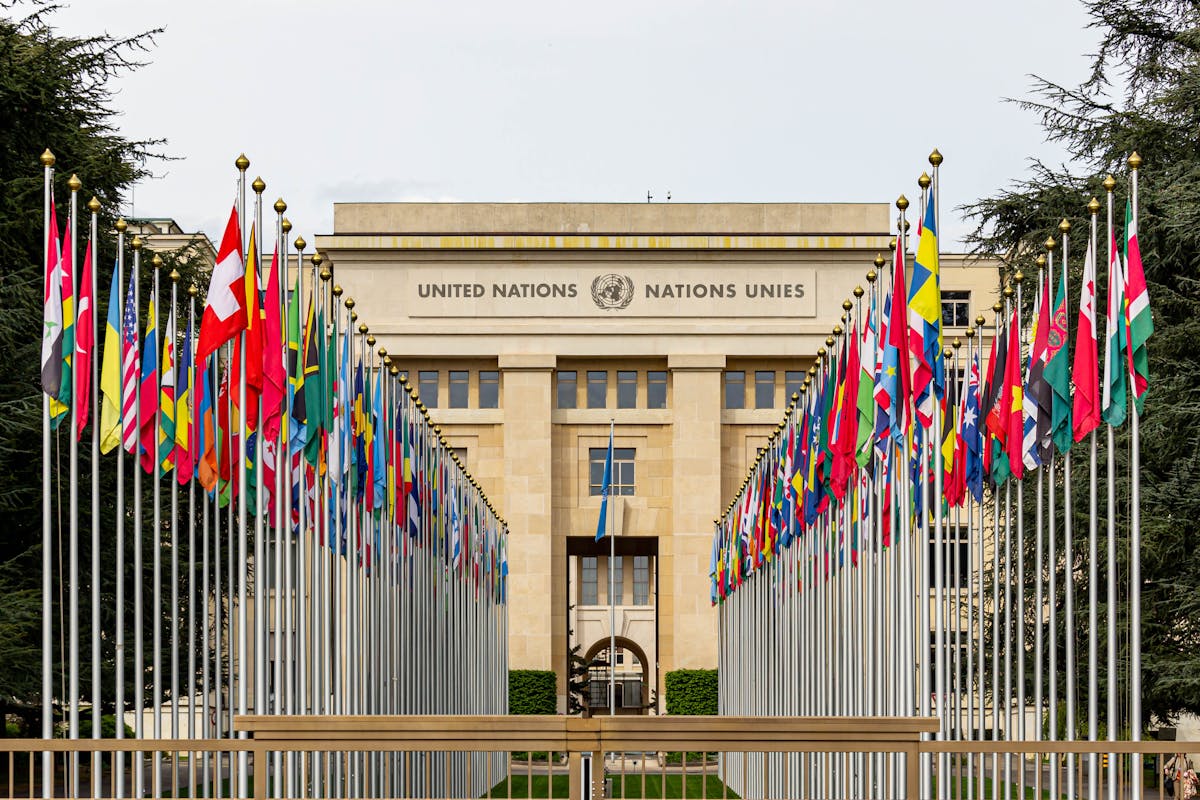
Dr. Khalilur Rahman of Bangladesh, elected president of the 81st session of the UN General Assembly, named artificial intelligence as one of the concrete forces separating today's world from the one the UN was built for in 1945. "It could be a great accelerator of human endeavour, but if you believe the doomsday predictions from some major figures, it could also pose serious dangers to humanity," he said, framing AI not as a single policy issue but as a marker of how much the institution's operating environment has changed since its founding charter was written.
Rahman's position lands deliberately between the two poles that have come to define the global AI debate: he does not call for slowing AI development, but insists the current pace cannot continue without structure around it. "It's vital that we put guardrails in place, so this innovation serves humanity rather than working against it," he said, a formulation that positions him closer to Guterres's "accountability, not a ban" framing than to either Silicon Valley's move-fast instincts or the more restrictive posture some European institutions have adopted.
He tied the AI theme directly to his broader goal for the session: rebuilding institutional confidence in the UN itself. Member states, he said, "have to work hard along all three pillars to bring back the confidence the organization had at its creation," a reference to peace and security, human rights, and development that frames AI governance as a test case for whether the UN can still coordinate binding global action on a fast-moving technical issue, rather than a side conversation running parallel to its traditional work.