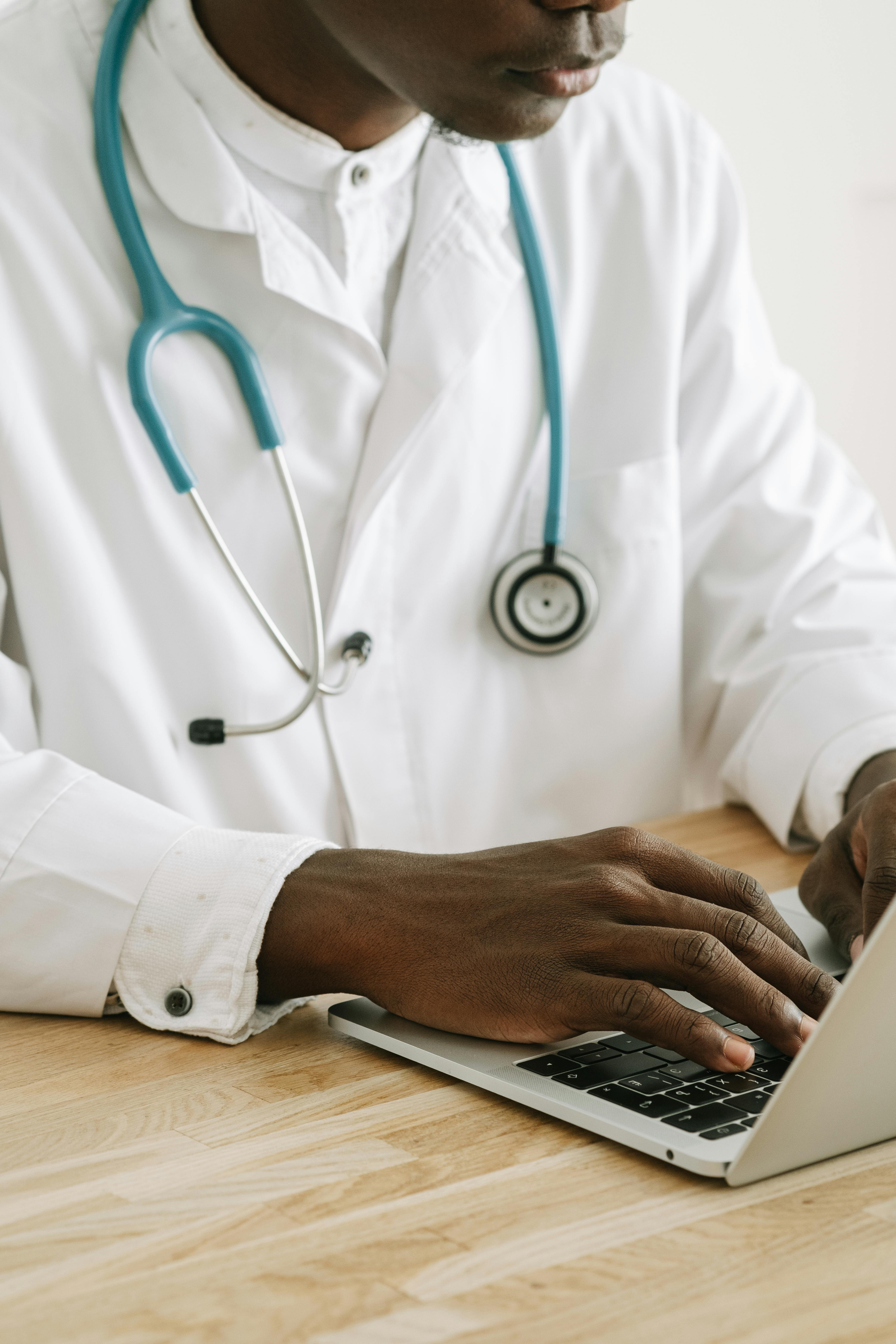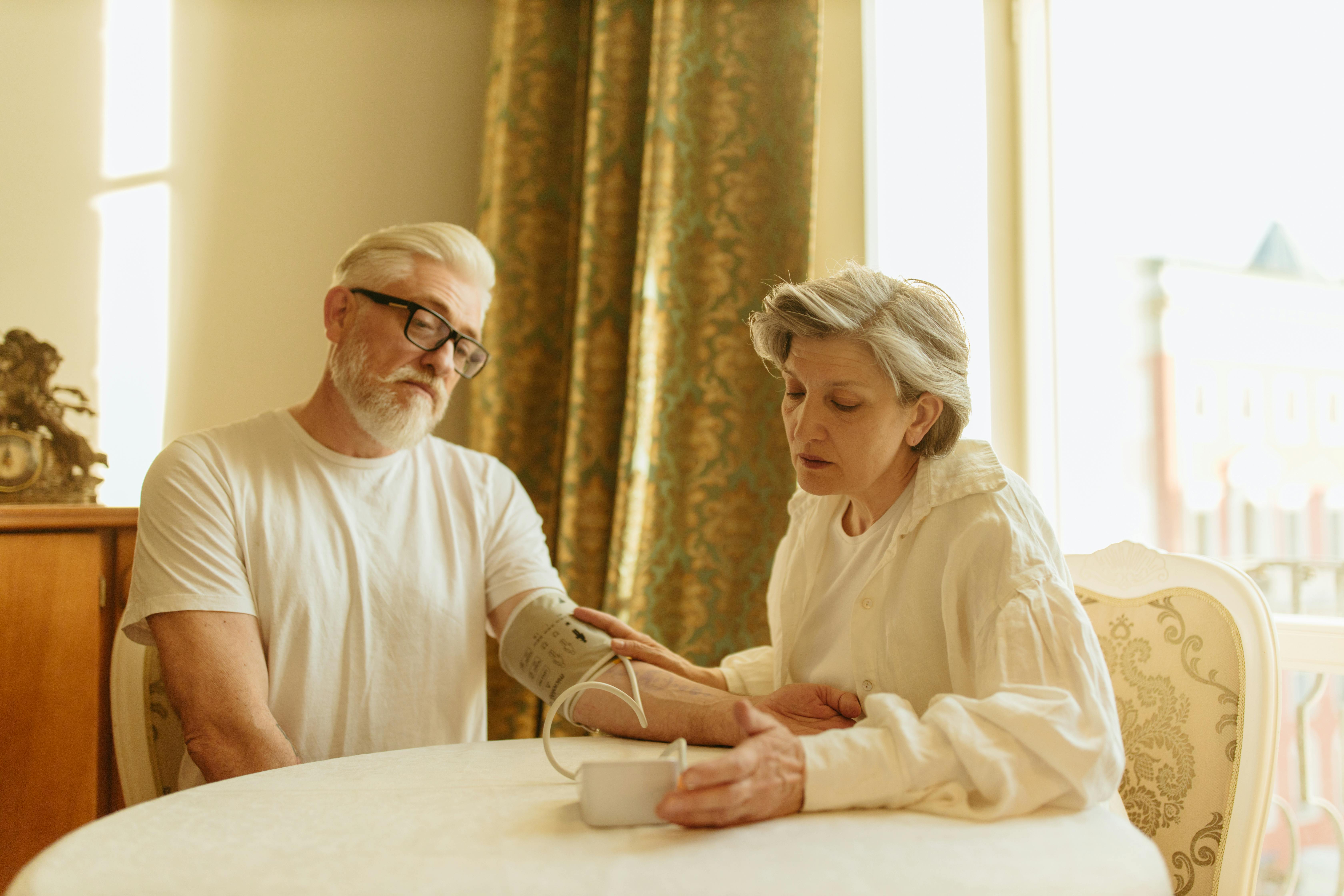
The home health industry is running into a math problem it cannot staff its way out of. McKinsey projects a global shortfall of more than 10 million healthcare workers by 2030, and the American Medical Association has found that more than 45% of clinicians report symptoms of burnout. At the same time, more chronically ill and post-acute patients are being managed at home rather than in a hospital bed, which means more vital signs, medication schedules and symptom check-ins to track outside a clinical setting.
Remote patient monitoring, or RPM, was supposed to be the fix: a blood pressure cuff, pulse oximeter or connected scale that streams readings back to a care team. In practice, many RPM programs have struggled with a simpler problem — alert fatigue. A device that flags every out-of-range reading, real or not, trains nurses to ignore it, and patients stop wearing devices that page them constantly for false alarms.
Teaching the system what "normal" looks like for one patient
A newer generation of RPM platforms is trying to fix that by building AI models around the individual patient rather than a fixed clinical threshold. Instead of flagging every reading above a textbook cutoff, the software learns a patient's own baseline — their typical blood pressure range, their usual medication adherence pattern, how their weight normally fluctuates — and adjusts what counts as abnormal for that person specifically.
Brook Health, a care management company built around AI-driven home monitoring, is one of the companies pushing this model. Its cofounder and CEO, Oren Nissim, has described the goal as moving AI "from merely a report engine" into something closer to an active clinical assistant: a system that recognizes patterns across device data, lab results, medications and a patient's own self-reported symptoms, then adjusts its thresholds dynamically after a hospitalization, a medication change or another clinical event.
In practice, that means the software handles the routine work — automated check-ins, follow-up messaging timed to when a patient is actually likely to respond, and behavioral coaching tailored to that person's history — and escalates to a human only when a pattern looks genuinely different from that patient's normal. The stated benchmark for success is less clinical and more behavioral: whether a patient will still be wearing the device, consistently, a year later.
The stakes for home health specifically
For home health and hospice agencies already squeezed by staffing shortages and thin margins, the pitch is straightforward: a nurse who would otherwise need to review every data point manually can instead work a shorter list of AI-triaged, genuinely concerning alerts. Whether that promise holds up depends on execution most platforms have not yet proven at scale — false-negative risk, liability if the AI under-escalates a real emergency, and integration with the clinical record are all still being worked out industry-wide, and remain open questions as more of this technology moves from pilot programs into everyday care.
What is not in dispute is the direction of travel. As more complex, higher-acuity patients are managed at home rather than in a facility, the industry's ability to keep them safe increasingly depends on software that can tell the difference between a data point worth a phone call and one worth ignoring.