AT&T's technology chief this month confirmed the company expects a smaller workforce going forward as automation reshapes network operations, customer service and internal software work, while explicitly rejecting a widely circulated report that the company was targeting a workforce of roughly 85,000 employees by 2030.
AT&T reported approximately 131,000 employees as of June 2026. The company cut about 8,000 jobs in 2025 and roughly 2,100 more in the first half of 2026. A report projected that if 2025's pace of reductions continued unchanged through the end of the decade, headcount could fall to around 85,000, a figure an anonymous source characterized as an internal target. AT&T disputed that characterization directly.
What the technology chief said
Jeremy Legg, AT&T's chief technology officer, said the company "benchmarks itself against peers" when making staffing decisions and acknowledged AT&T currently generates less revenue per employee than rivals Verizon and T-Mobile, a gap the company is explicitly trying to close. Legg confirmed AT&T expects headcount to keep shrinking but said the company has not set, and would not commit to, a specific numerical target for where that decline stops.
A separate memo from Jeff McElfresh, president of AT&T's technology and operations division, framed the push in blunter terms, telling employees the company "must continue to lower costs and keep getting faster, leaner, and more agile" to compete.
Where the automation is landing
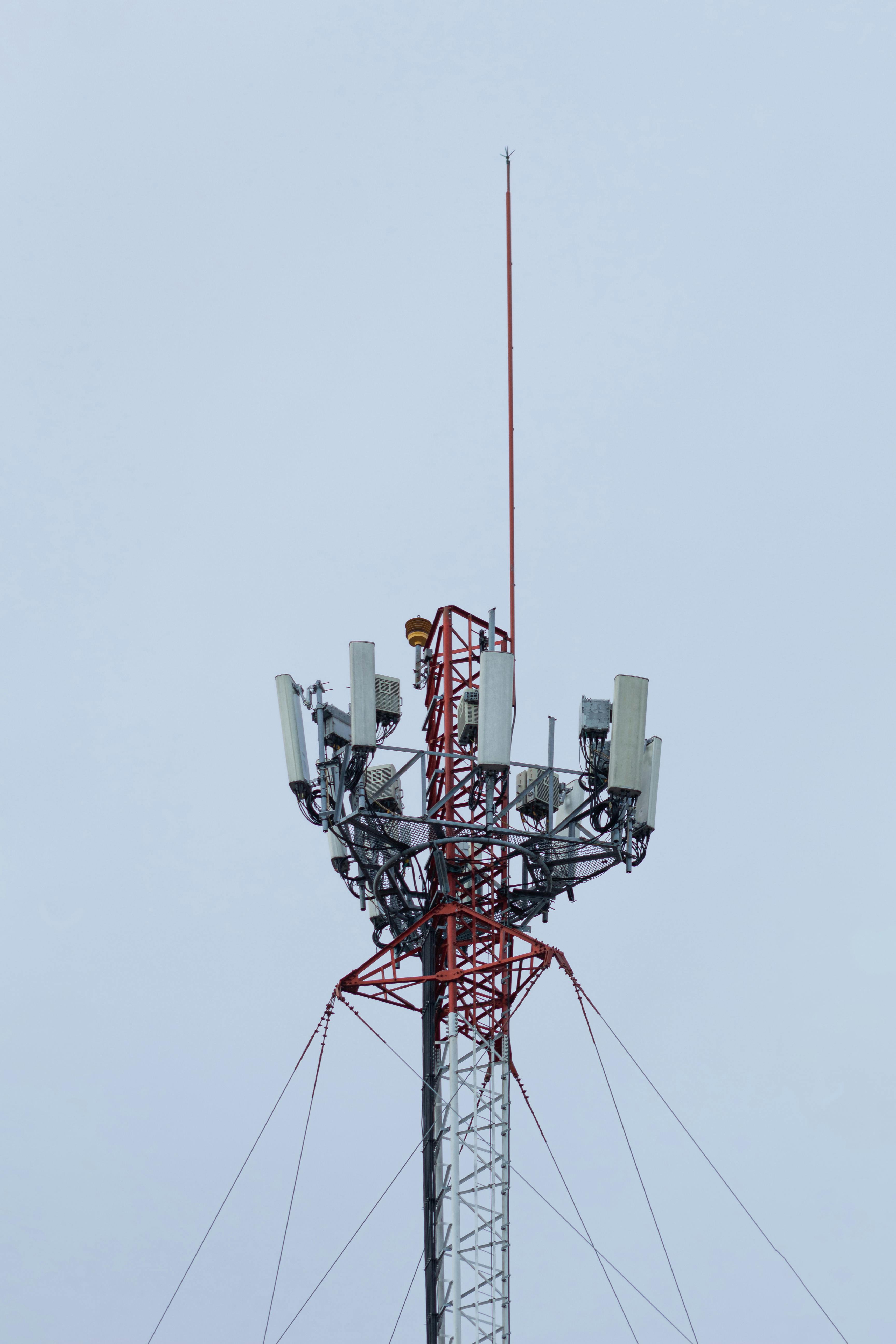
AT&T identified several specific functions being automated or restructured: customer service interactions, the process of disconnecting or modifying service, identifying and prioritizing cell tower maintenance issues, detecting network problems before they cause outages, and writing and reviewing internal software code. Each of those has historically required meaningful human staffing, either in call centers, field operations, or engineering teams.
The shift mirrors a broader pattern across the telecom industry, where software-defined networking has been steadily replacing hardware-centric, manually operated infrastructure for years. What has changed in 2026 is the addition of AI systems on top of that software-defined layer, systems that do not just execute predefined automation rules but can adapt to novel situations, triage which problems need a human, and, increasingly, write the automation scripts themselves.
Not a pure cut story
AT&T said it expects to keep hiring in specific growth areas even as overall headcount declines, pointing specifically to AI governance roles, the internal function responsible for overseeing how AI systems are deployed, monitored and audited, and fiber-line maintenance and installation positions tied to the company's continued buildout of fiber broadband. The company has framed its overall strategy as reallocating headcount toward growth areas rather than a pure cost-cutting exercise, even as net employment trends downward.
A mandatory five-day return-to-office policy has also contributed to natural attrition beyond formal layoffs and automation, according to reporting on the company's 2026 workforce trends, though AT&T has not broken out how much of its headcount decline is attributable to that policy specifically versus automation or standard turnover.
Why it matters beyond one company
A Light Reading industry poll found that 31.3% of telecom operators cited "reducing headcount" as a primary motivation for automating network operations, suggesting AT&T's approach reflects an industry-wide calculation rather than a company-specific one. For enterprise technology and cybersecurity leaders, the pattern is a useful preview of what AI-driven automation looks like once it moves past pilot projects and into core operational functions at scale: not a single dramatic announcement, but a steady, multi-year reallocation of headcount away from operational roles and toward the smaller number of people who build, govern and audit the automation itself.